November 23, 2026
Typeface Feature Focus: November 2026

Dinasha Cellura
Director, Product & Partnership Marketing
AI summary
November’s Feature Focus takes a closer look at Typeface’s brand brain, Arc Graph, what makes it different, and how it captures your team’s expertise to shape the content AI creates.
- •Connected brand and business knowledge: Give AI the context it needs to make content more relevant to your brand and audience.
- •Custom skills and workflow agents: Extend Typeface with capabilities that help AI follow your team's established processes.
- •Brand governance across portfolios: Carry brand rules across parent and child brands, with clear explanations that help teams understand and fix flagged content.
- •Plus: Faster rule edits, bulk content library uploads, easier graph upkeep, and more.
Welcome back to Feature Focus!
In September, we launched the next generation of the Typeface Orchestration Engine with one goal: closing the gap between what your team knows and what it can act on. November goes deeper into how Arc Graph does exactly that.
While search and RAG tools help AI retrieve relevant information from your existing data, Arc Graph takes a different approach. It connects your brand guidelines, product knowledge, audience insights, approved assets, and campaign learnings in a graph built around how marketing works. It’s the context layer the rest of the platform runs on, with Arc Fabric orchestrating the agents that act on it, and Arc Loop feeding real campaign results back in.
Let’s dig into what makes Arc Graph different.
Give every generation the full context of your business
Many AI tools can capture your brand voice but still get your business wrong. That's because they don't have the full context of what you sell, the audience you’re selling to, or what worked last quarter.
Arc Graph brings this context together in a graph built around how marketing works. It connects your brand guidelines and design system with product and service knowledge, audience insights, approved assets, campaign data, and performance learnings. Its knowledge graph structures these connections and stores performance learnings as reusable insights, so agents can draw on how your brand looks and sounds, and what drives your business.
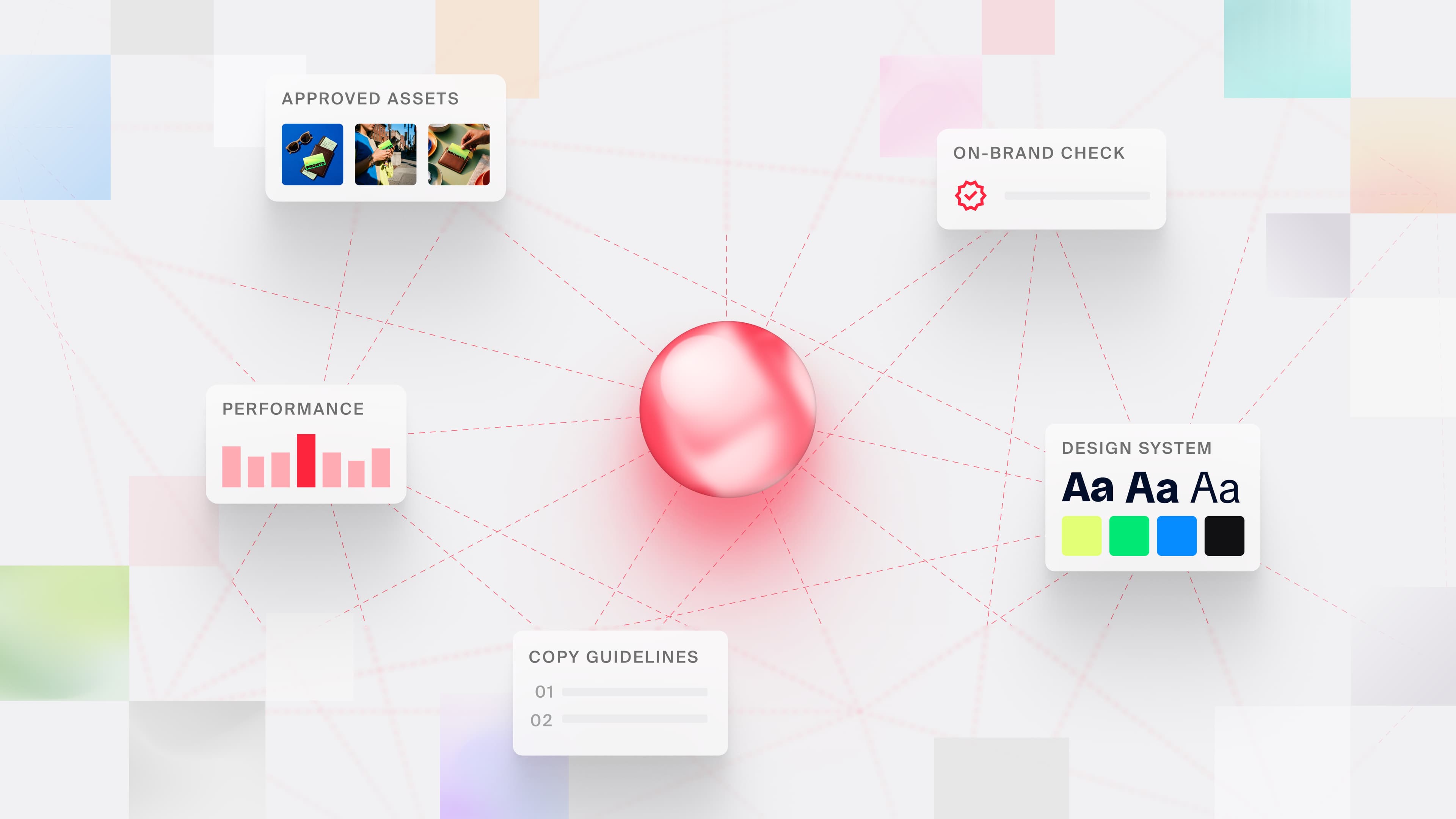
And that knowledge doesn't stay static. You can build your Arc Graph with documents, URLs, Figma links, and data lake connections. When something changes, update it directly in chat or upload a document with changes. Arc Graph flags outdated information, so your team knows what needs attention.
Over time, campaign learnings write back to the graph, so every campaign starts smarter than the last.
Bring your own frameworks and playbooks
Every marketing team has its own way of planning campaigns. But AI doesn’t know your approach, so teams often have to course-correct each draft to keep it aligned with their strategy.
Arc Fabric lets you bring those frameworks into Typeface and turn them into custom skills and workflow agents. Custom skills give AI specialized capabilities for the tasks your team needs to perform, while workflow agents can carry out multi-step processes based on your established methodology. They draw on the brand and business context in Arc Graph, so the work stays grounded.

For marketers, this means briefs start with your established approach rather than a blank prompt. Everyone can work from the same playbook, whether they're an experienced marketer or new to the team.
Govern every brand from one place
Managing brand consistency across a large portfolio gets complicated quickly. Each sub-brand has its own assets and guidelines, and keeping them aligned takes ongoing effort. When content gets flagged during review, it's not always clear which rule it broke or why.
Arc Graph helps teams manage brand consistency across their entire portfolio. Set rules at the parent brand level, and they flow down to child brand kits, including brand kits that share multiple parent brands.
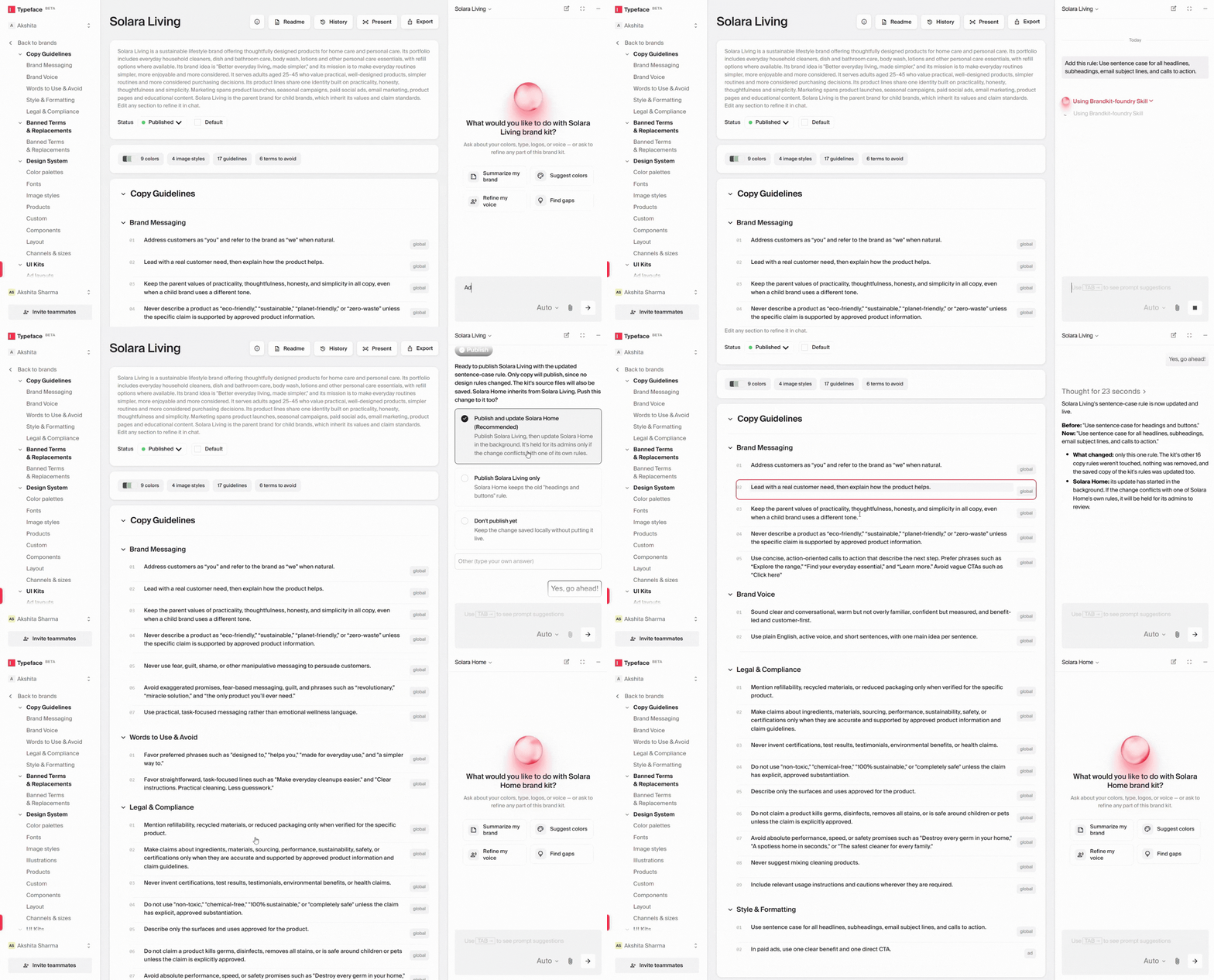
Admin-only editing protects those rules from unintended changes while giving teams a consistent foundation to work from.
Reviews become easier to act on, too. When Arc Graph flags content, it shows which rule was applied and why. Marketers can fix issues as they work, rather than going back and forth in review threads.
Your brand knowledge also follows your team across the tools they already use. Through Model Context Protocol (MCP), Arc Graph makes brand knowledge available in Claude, ChatGPT, and Gemini.
Bonus enhancements
Update brand rules 2x faster: Edit rules inline and organize them with custom categories.
Speed up content generation: Arc Graph applies rules relevant to each channel, saving 10 to 15 seconds per generation.
Manage Arc Graph through chat: Update your graph conversationally and preview changes before applying them.
Upload large content libraries more reliably: Bring more of your existing content into Arc Graph.
Coming soon: A new graph view will show what information each document contributes and highlight gaps, such as missing campaign playbooks, so you know what to add next.
That's a wrap for November!
Arc Graph is now live across all active accounts. Get started with it today or reach out to your account team for support.
Stay tuned for what's coming, and happy creating with Typeface!
Related articles
August 12, 2026
Welcome back to Feature Focus. July's updates are about making the work your team has already done go further: your brand guidelines, your approved email creative, and the web content you've been pub
July 8, 2026
Welcome back to Feature Focus! June brings major upgrades to Ad and Video Agents. Your creative team can produce more ads and videos, on-brand and sized for every channel, while performance marketers
June 2, 2026
Welcome back to Feature Focus! Following our recent launch of new creative team solutions and native Figma integration, May's updates keep the momentum going. This month's focus: less manual work, fe