August 4, 2026
AI Product Photography for eCommerce: High-Quality Visuals at Scale

Deepak John
Content Marketing Associate
AI summary
Product photos directly shape purchase decisions, but traditional photoshoots are slow and expensive. This piece breaks down how AI image generation lets eCommerce teams produce photorealistic, on-brand visuals for any channel or market in minutes, without sacrificing product accuracy.
AI image generation lets eCommerce teams produce studio-quality product photos in minutes, without photoshoots. The result is more content, more channels, lower cost, and pixel-perfect brand accuracy across every market.
This post is part of our AI in eCommerce Marketing series. For four more use cases — email, product descriptions, social ads, and SEO — see the full guide: How to Use AI for eCommerce Marketing.
Why product photography is make-or-break for eCommerce
Shoppers can't pick up your product. They can't feel the weight of it or examine the stitching up close. What they can do is look at your photos. 75% of online shoppers say product photography directly influences their purchase decision.
For years, that reality meant expensive studio bookings, long turnaround times, and a perpetual backlog of SKUs waiting for images. AI product photography changes that equation entirely.
What AI product photography does
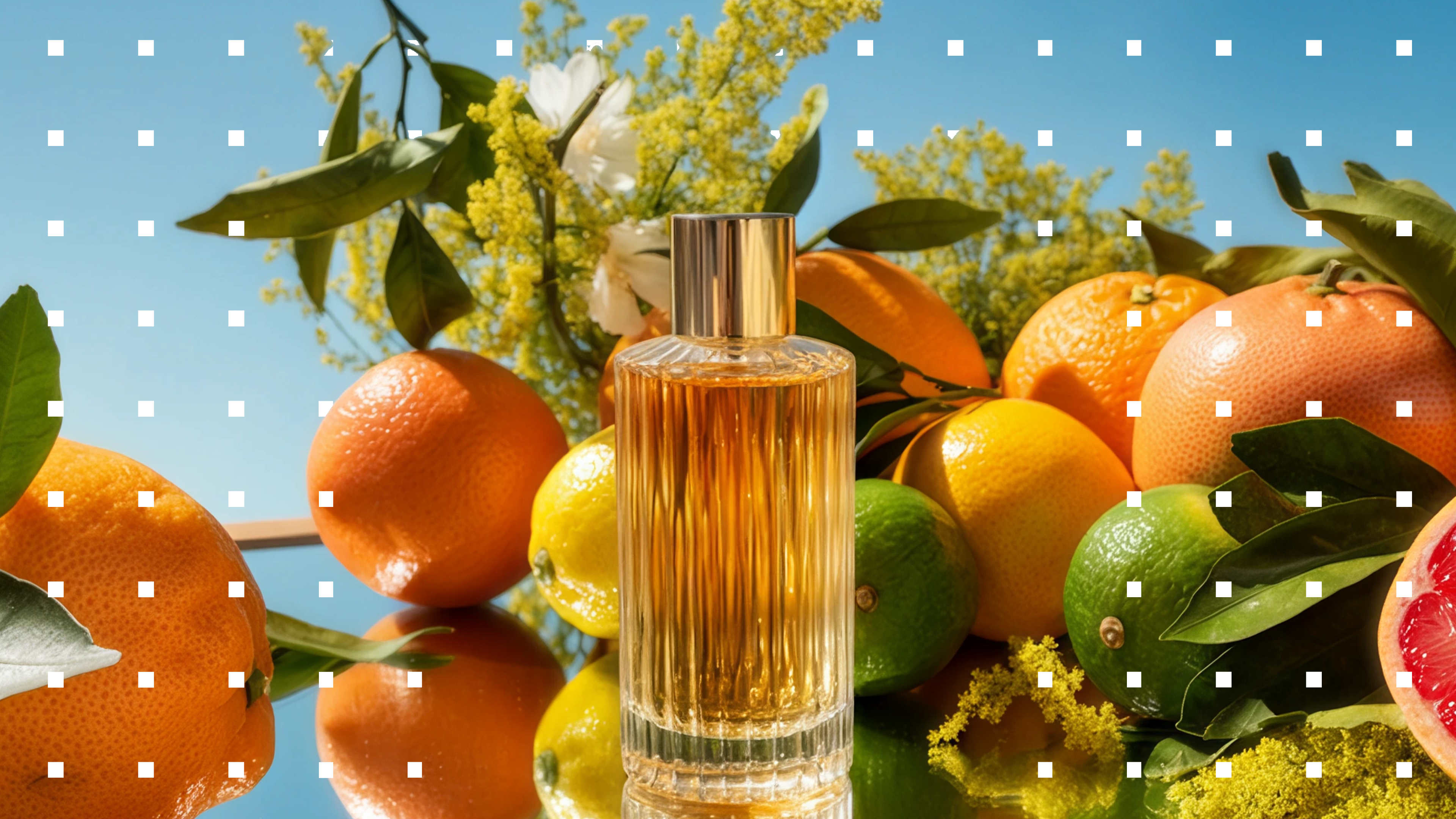
AI image generators take your existing product assets and place them into photorealistic environments. No photographer, no set, no shipping product samples across the world. Within minutes, a single product image can become:
A clean white-background studio shot for your DTC website
A lifestyle image with contextual surroundings for social media
A localized visual for a specific regional market
A concept render for an upcoming campaign proposal
In Typeface, just prompt "Simple Studio," "Outdoors," "Ingredients," "Interior"—and accept inspiration images you want the AI to reference. The product is merged naturally into the scene with accurate colors, shapes, logos, and dimensions preserved.
Where enterprise teams use AI-generated product images
Direct-to-consumer (DTC) websites and product detail pages
Keep your product detail pages (PDPs) fresh without scheduling re-shoots. Generate seasonal or campaign-specific visuals that align with promotional calendars, not studio availability.
Third-party marketplaces
Amazon, Walmart, and other platforms have specific image requirements. AI tools let you generate marketplace-compliant visuals for your full catalog quickly, including localized versions for international storefronts.
Social media and digital advertising
Social requires high-velocity visual output. AI removes the bottleneck, letting creative teams generate contextual ad images — lifestyle shots, seasonal compositions, channel-specific sizes — without waiting on production queues.
Concept art and proposal decks
Before committing to a full campaign shoot, use AI-generated visuals to present and align on creative direction internally. It's faster, cheaper, and iteratively improvable.
The brand accuracy requirement: Why it matters
The promise of AI product photography only holds if the product looks exactly right. Color shifts, distorted logos, or altered proportions in marketing images can damage customer trust and violate platform advertising standards.
Enterprise-ready AI platforms like Typeface are built to preserve every detail. Exact colors, shapes, logos, and dimensional angles. That means your product in an AI-generated scene will look identical to your product on the shelf.
Real-world impact: 10x content output
A Fortune 500 consumer electronics brand used Typeface to generate up to 10x more on-brand, localized content for online storefronts — and hyper-localize content at scale across multiple markets — with an expected increase in direct-to-consumer sales.
The gains aren't incremental. For large catalogs spanning multiple markets and channels, AI product photography is a step-change in what marketing teams can produce.
Getting started: What to look for in an AI product photography tool
Exact product fidelity: colors, logos, shapes, and proportions must be preserved with no AI-introduced variation
A range of image models: you can use multiple AI tools within Typeface
Scalability: batch generation for large catalogs and multi-market localization
Integration: outputs that connect directly to your CMS, DAM, or marketplace feeds
Brand kit compatibility: consistent application of your visual identity across all generated assets
AI product photography removes the resource constraint that has always capped visual content output. For eCommerce teams managing large catalogs, multiple channels, and global markets, AI photography is becoming a competitive necessity.
The brands capturing share in digital retail are the ones showing up with better visuals, faster. AI is what makes that possible.
Get a demo today, and see how Typeface can help you generate effective, on-brand product visuals at scale.
Related articles
August 27, 2026
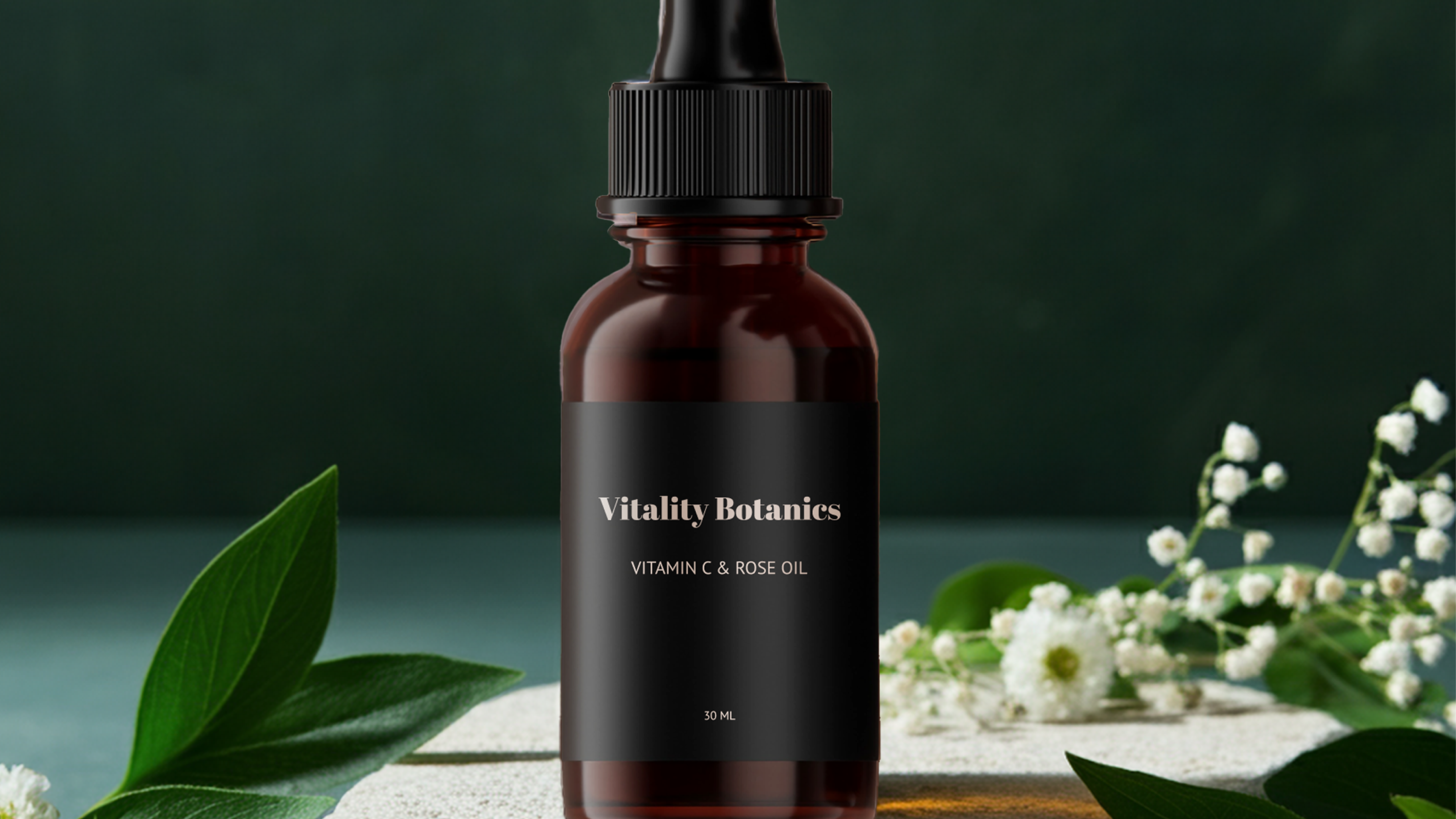
Nothing drives engagement and conversions in advertising like a good product shot. According to a report by Etsy, image quality is the single biggest factor in purchase decisions, with 90% of shoppers
May 28, 2025
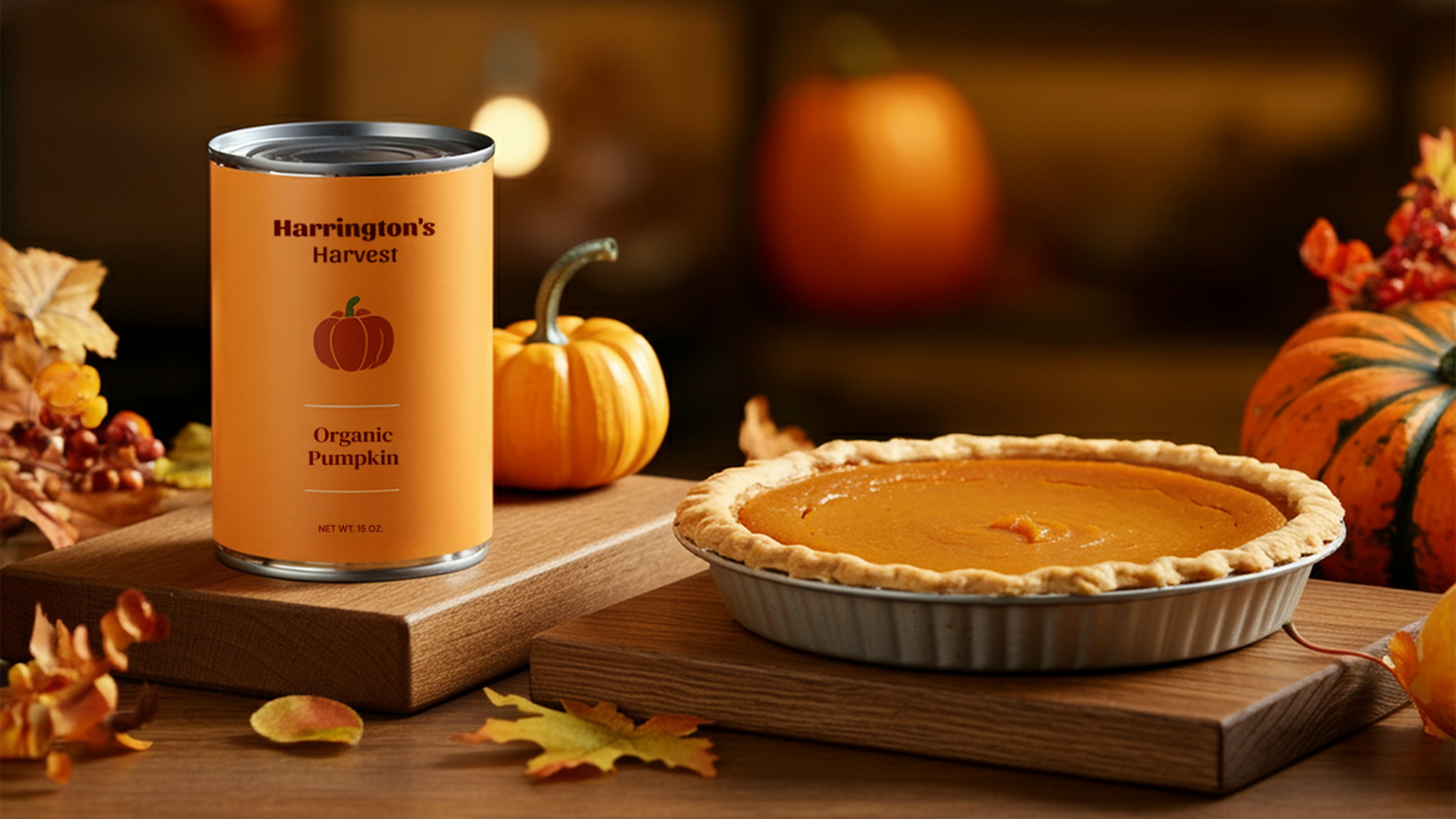
Seasonal marketing campaigns demand fresh, compelling visuals that capture attention without draining your creative resources. AI photography generators have emerged as powerful allies for enterprise
April 21, 2025
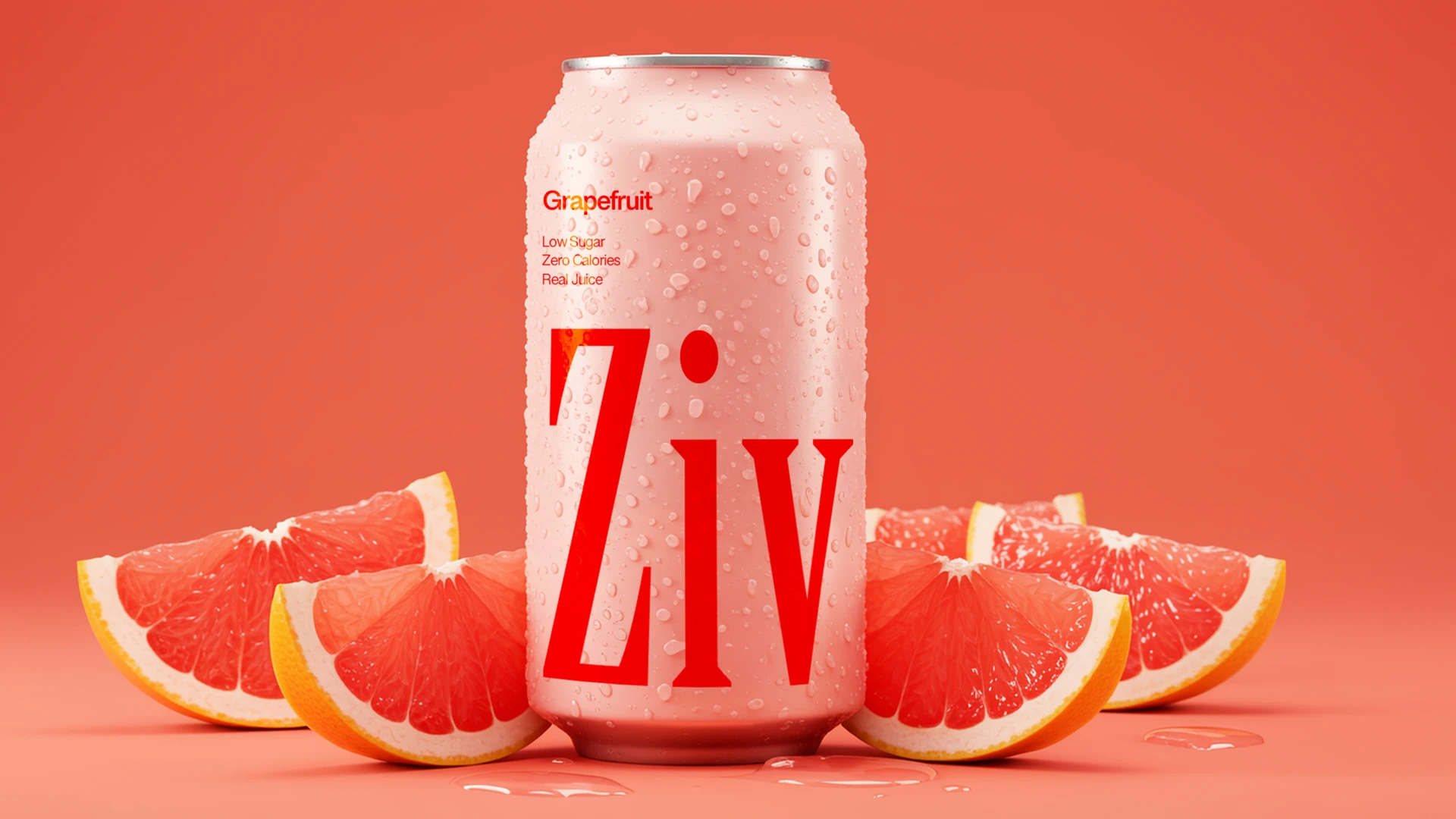
Social media has become a critical touchpoint in today's customer journey with platforms like Instagram serving as powerful hubs where consumers research, compare, consider, and purchase products. Acc