March 16, 2026
Arc Graph: Your Brand’s Brain That Keeps Your Marketing Consistent at Scale

Saachi Shah
Product Manager
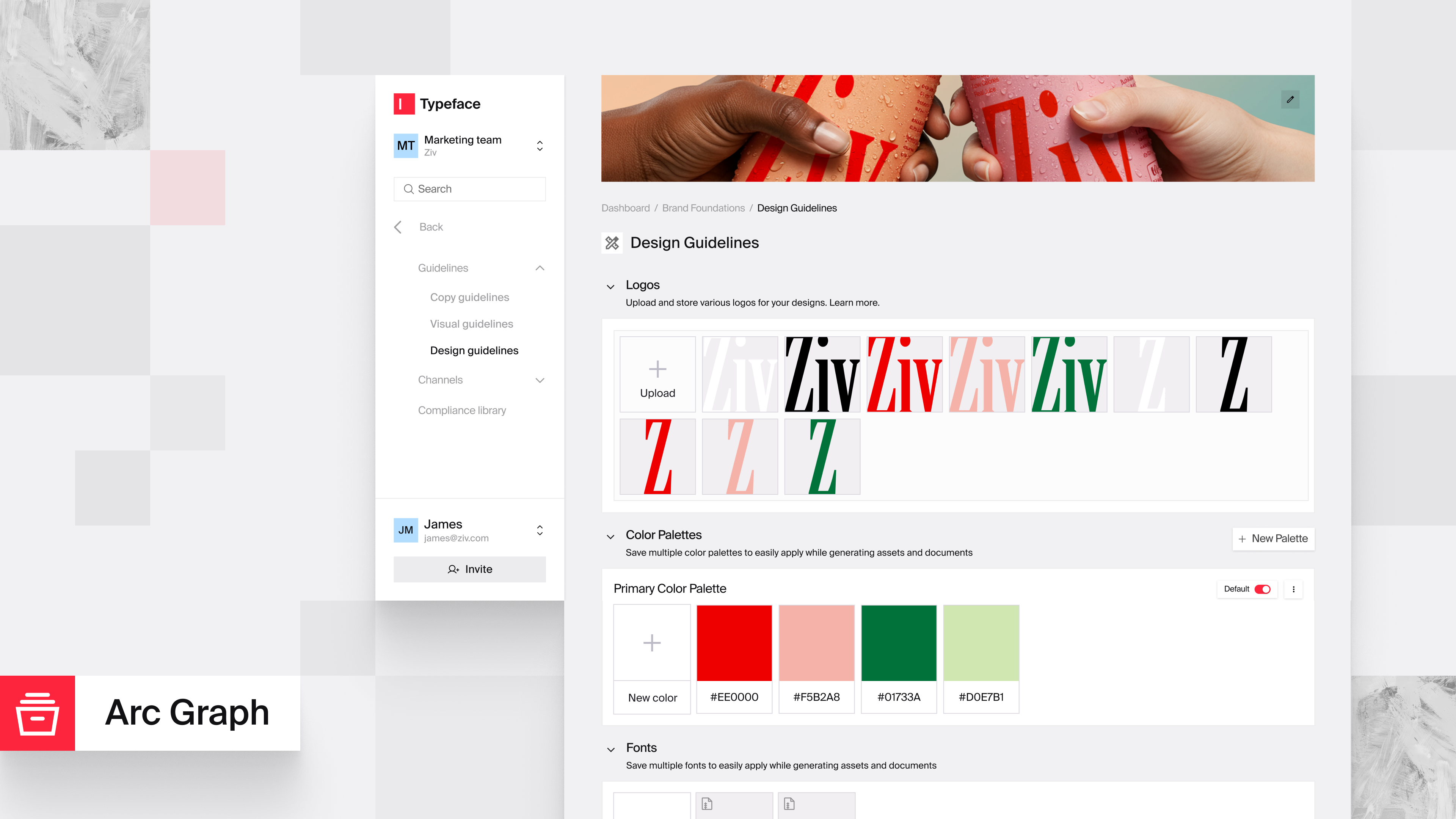
AI summary
This blog explains how Arc Graph automatically applies brand standards, audience context, and performance signals to every piece of content your team creates.
What you'll learn:
- •What Arc Graph is and how it unifies brand standards, approved assets, audience insights, and performance data into a single context graph that informs content generation
- •How to set up your brand kit so Typeface extracts and applies the right rules without manual inputs
- •How Arc Graph supports writers, regional teams, and new hires in creating consistent, compliant content, without slowing down production
Creating on-brand content that performs—across channels, teams, and regions—is harder than ever.
Brand guidelines live in PDFs. Approved assets are scattered across folders. Audience insights sit in dashboards; no one checks during content creation. And learnings from past campaigns rarely make it into the next one.
That’s why we built Arc Graph, the intelligence layer that powers Typeface.
Arc Graph connects your brand standards, approved assets, audience insights, and performance signals into a unified context graph that informs every piece of content your team creates.
Instead of forcing teams to manually reference documents and guidelines, Arc Graph applies the right brand intelligence automatically ensuring every output starts on-brand, stays on-brand, and improves over time.
How does Arc Graph work?
Typeface’s Arc Graph provides a deep, domain-specific understanding of your brand. It is designed to adapt to your team’s brand context and the specific audiences you serve.
Each brand kit is personalized to your specific use cases. Set up guidelines for the channels and formats you work in, and the context graph connects everything with real performance data and audience insights.
It's a one-time setup. After that, Typeface applies your guidelines automatically, every time you create content.
The brand intelligence stored in Typeface evolves over time. Agents learn your rules, apply them across channels, and surface insights like frequently broken brand guidelines, popular image styles, and engagement trends. These signals continuously inform how agents plan, create, and operate—with marketers setting direction and IT governing how learning is applied.
How to set up your brand kit
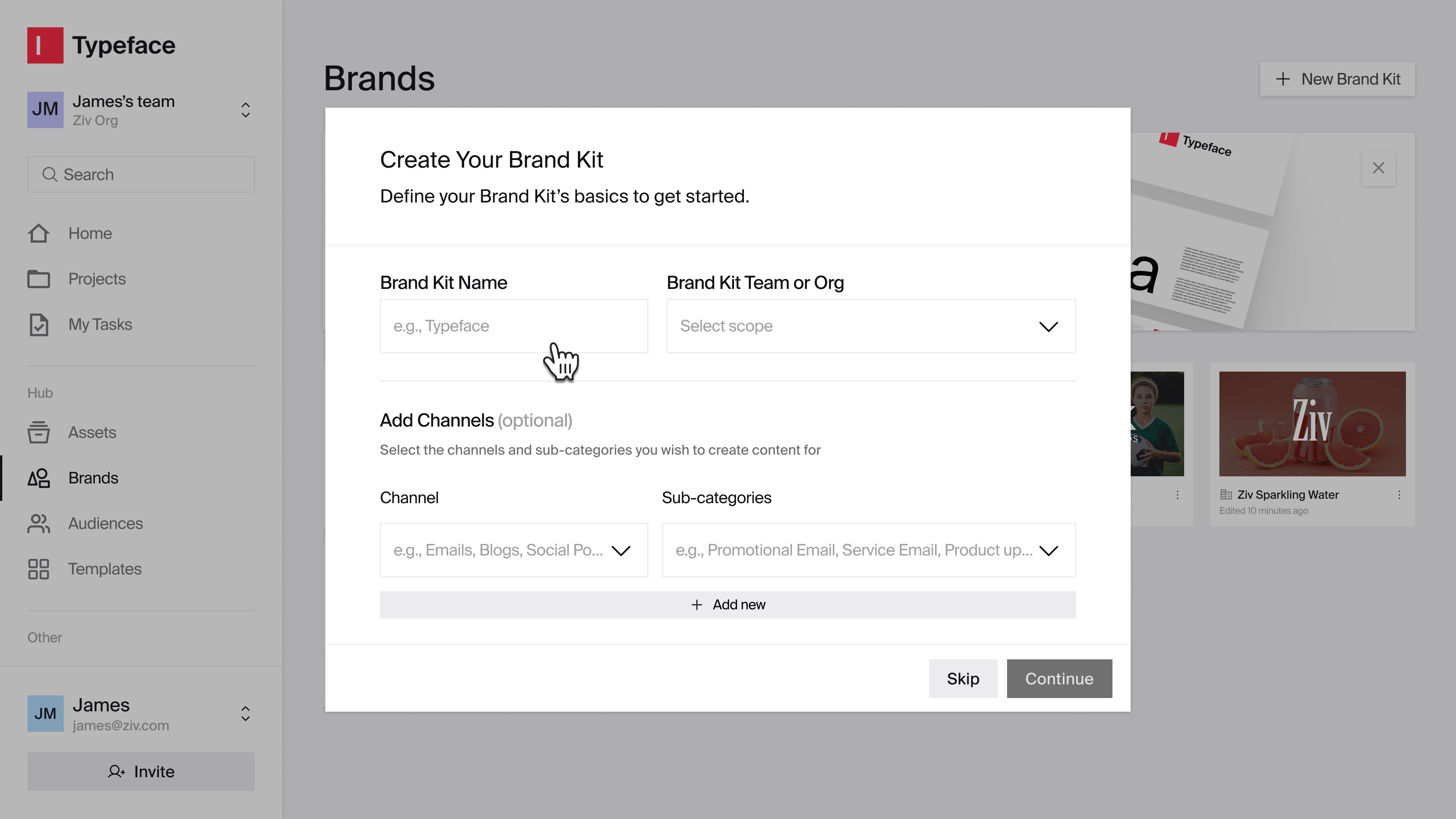
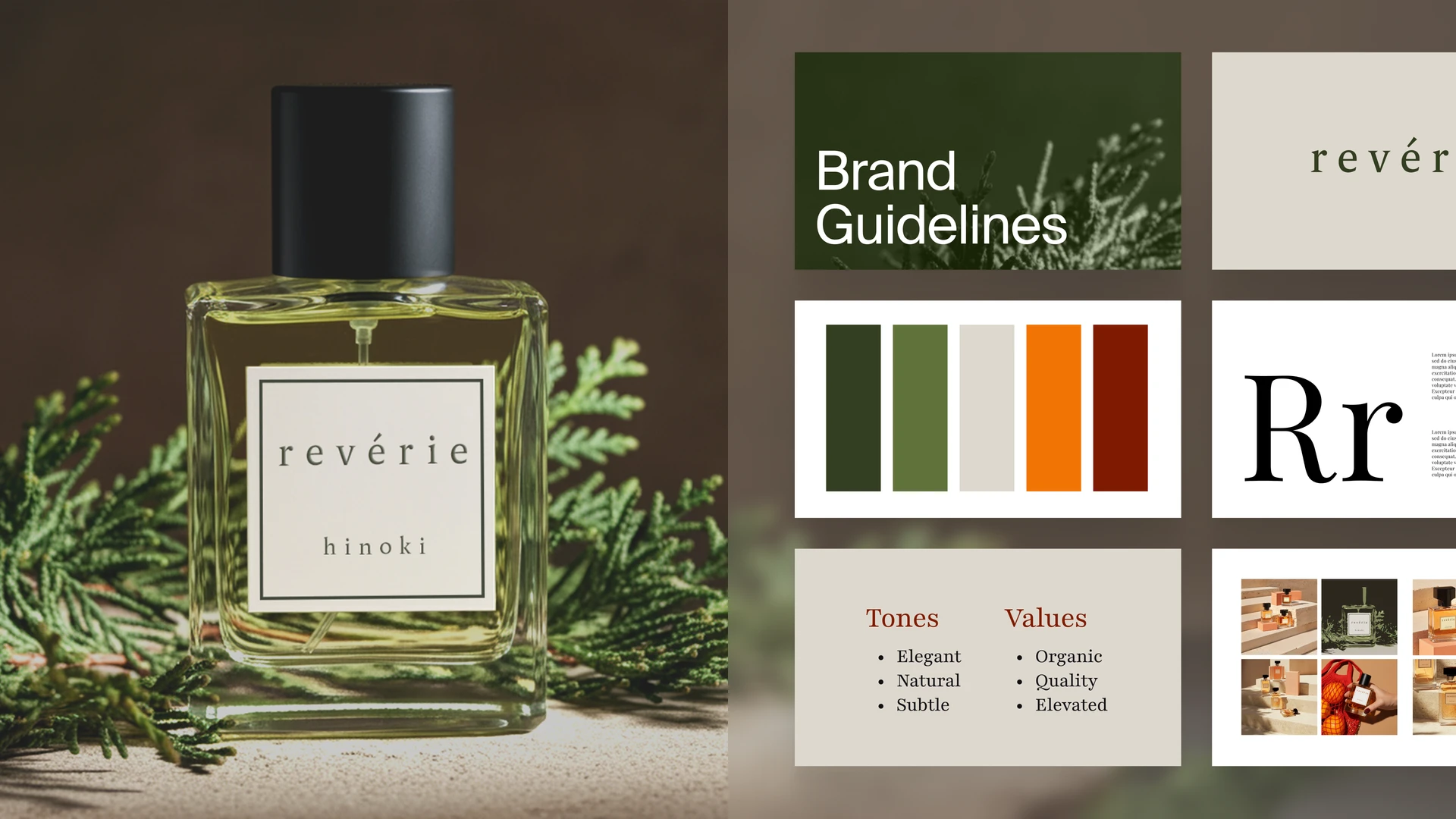
1. Create a new brand kit and select the channels that matter to your business. You can even specify sub-categories within each channel. Typeface generates a customized brand kit for each one.
2. Add your company information by simply sharing a URL. Typeface extracts key information from your website automatically and adds it to your brand kit.
3. Upload any brand materials: style guides, visual examples, words to avoid, compliance PDFs, and content samples. Typeface automatically reads everything, extracts the rules (tone of voice, formatting preferences, visual guidelines, compliance requirements, channel-specific nuances), categorizes them, and maps them to the right channels. You can also add rules manually whenever needed.
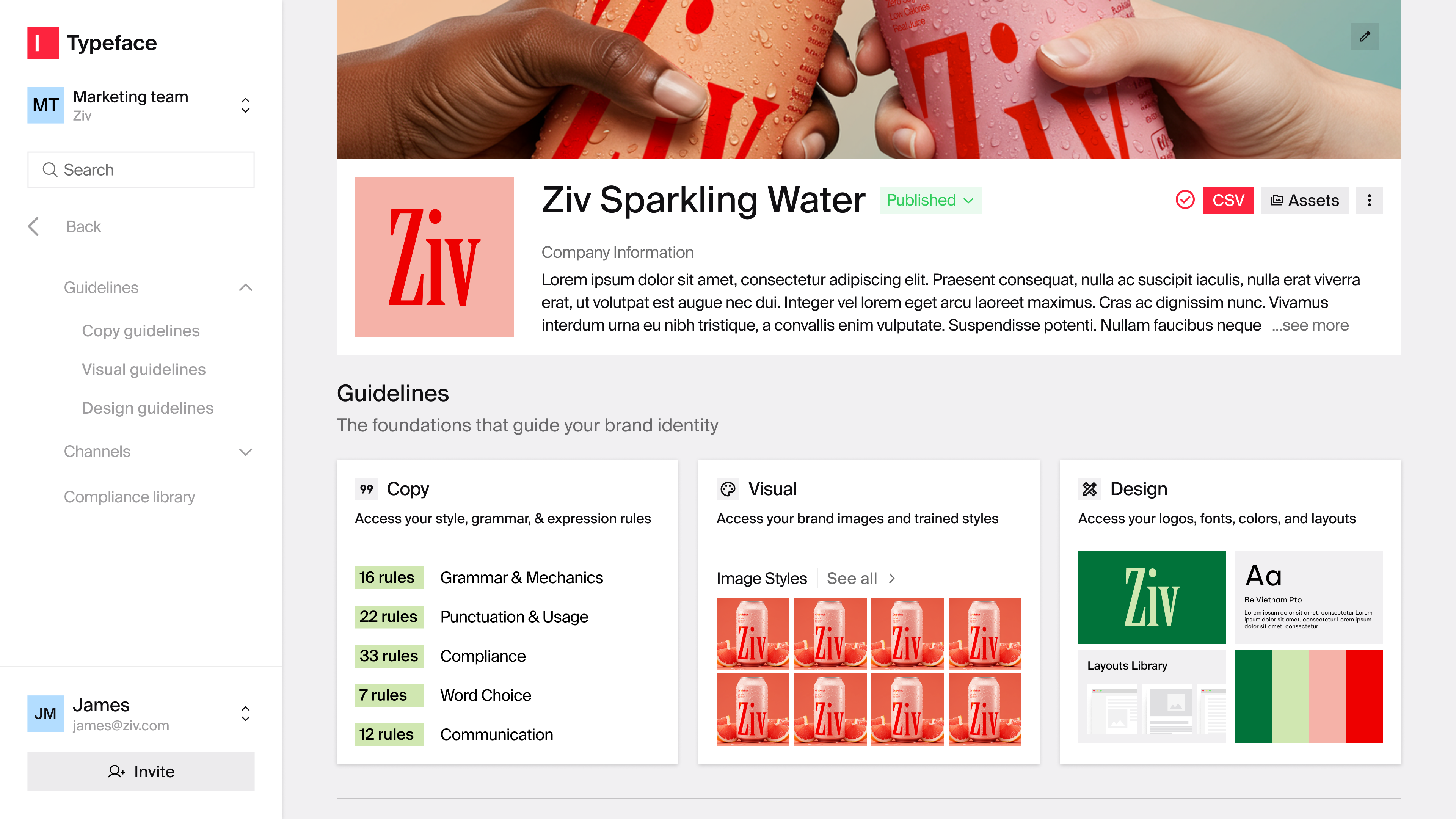
4. Review the extracted rules, make adjustments, and publish your brand kit.
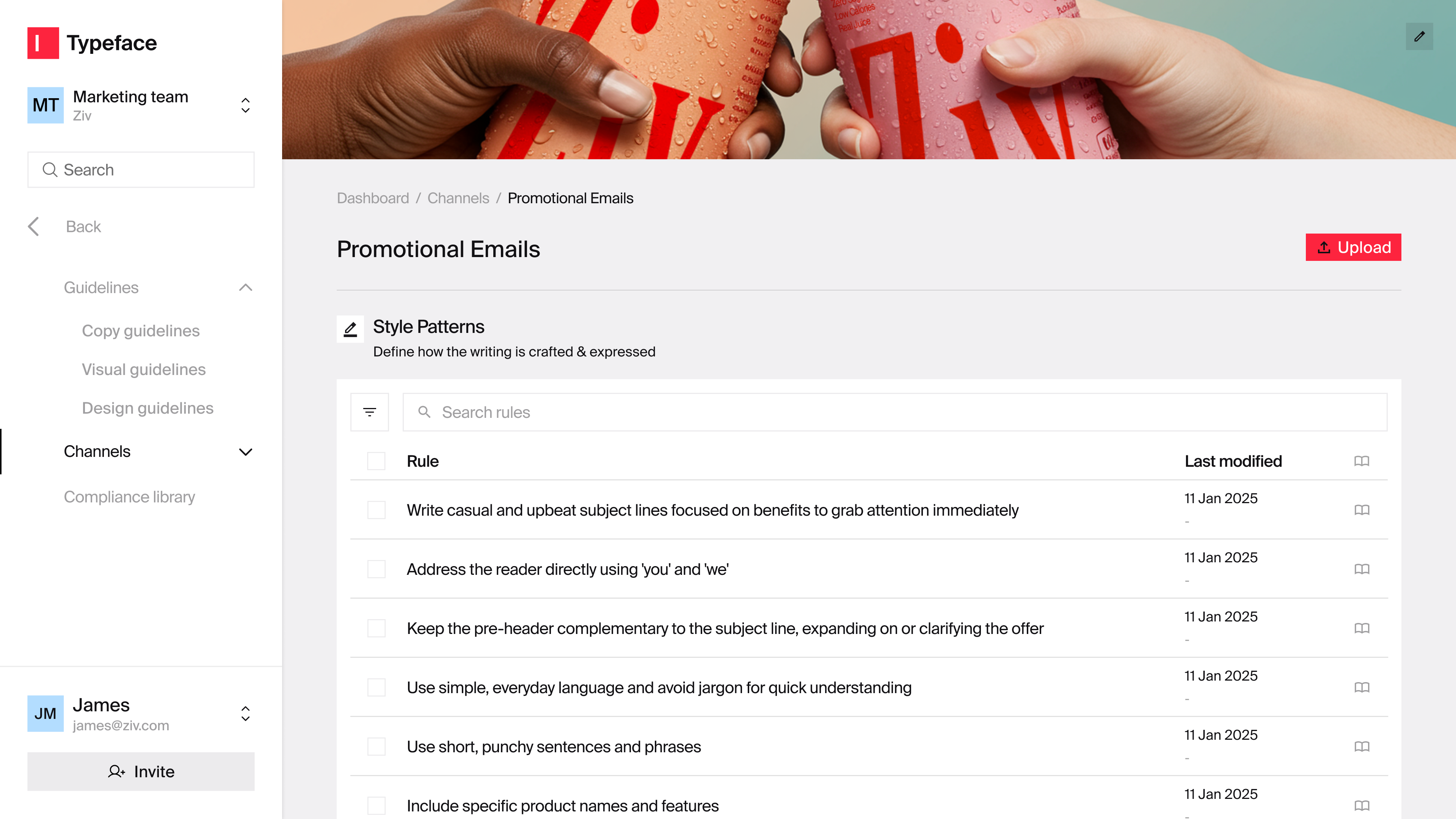
Once your brand kits are set up, you can apply brand rules across every generation. You don't have to remind the AI each time. You can also switch between brand kits for different regions or campaigns, whenever needed.
How teams use Arc Graph
1. Train your brand kit on what works
Share examples of content that performed well for each channel, and Typeface learns what made them work. This goes beyond prompt libraries that just give you templates to copy. Arc Graph lets you set rules and context for every channel, making AI outputs both brand-safe, audience-aware, and truly on-brand.
2. Apply brand rules automatically across every generation
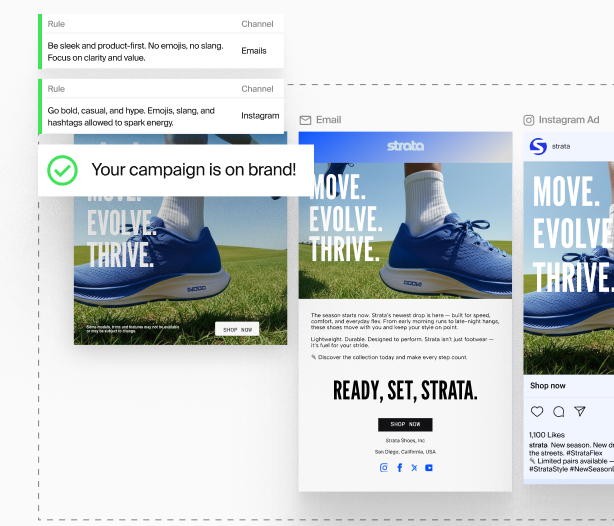
Unlike static brand docs or disconnected DAMs that you have to reference separately, brand intelligence is deeply integrated into every generation step, ensuring brand fidelity by design. Create a LinkedIn post, and it follows your social voice. Draft an email campaign, and it applies your email-specific messaging. Generate a Meta ad, and the visual and copy standards shift to match. The right brand rules are always applied to the right content type. You don't manually specify which guidelines to follow every time.
3. Evaluate content before you publish
Get real-time feedback on how well your copy and images align with brand guidelines. Brand Agent checks everything, from tone consistency to visual treatments, and gives you specific recommendations. You catch issues in the creation phase, not after content is live.
4. Switch between brand kits instantly
Set up multiple brand kits by region, campaign, or team (enterprise sales, SMB marketing). Each kit contains channel-specific guidelines tailored to that context. When you're creating content, select the kit that matches your needs and the context loads instantly. You're not hunting through documents or manually adjusting settings.
What Arc Graph enables across teams
1. Writers focus on ideas, not rule-checking
Before: Your writers had to keep multiple browser tabs open—the brand guidelines, the compliance doc, last quarter's campaign for reference. If guidelines change, they might miss the update.
With Arc Graph: Anything and everything related to brand is auto applied during AI content generation. Writers focus on the message. If something is off brand, they get specific recommendations immediately.
2. Regional teams stay on brand
Before: Whenever your regional team needed to localize a product launch, they'd pull the assets, adapt the messaging, and start hunting for the right guidelines. They'd piece together what they thought applied to their market, but without clear channel-specific guidance organized by region, teams were reverse-engineering brand standards from past campaigns and hoping they got it right. And more often than not, off-brand content gets published anyway.
With Arc Graph: Your regional team switches to their market-specific brand kit, and all the details they need are already there. They don't need to hunt through documents or wait for approvals. They create confidently, knowing the guardrails are built in. And because Arc Graph leverages training from your brand kits, it preserves your core brand identity even as teams adapt content across the globe.
3. New hires have all the context
Before: New hires (or existing marketers joining a new team) had to spend hours learning the brand. They'd sit in meetings with team members, read through decks, and still ask clarifying questions weeks later.
With Arc Graph: With brand information at their fingertips, new hires can chat with Typeface to understand the brand quickly. This helps them create on-brand content their first day, with Arc Graph ensuring consistency.
Stay on brand—automatically, intelligently, and at scale
Brand consistency doesn't have to slow you down. With Arc Graph, you can move fast and stay on-brand. Your team gets the speed of AI with the confidence that every piece of content follows your guidelines.
Whether you're managing content across regions, onboarding new team members, or just trying to keep up with the pace of modern marketing, Typeface can help you maintain the brand you've worked hard to build.
Ready to get started? Book a demo today.
Related articles

June 17, 2026
From our conversations with clients exploring AI for marketing, two requirements consistently emerge. First, brand assets are non-negotiable — product imagery, company logos, and color palettes must
June 24, 2025
As one of the ‘3C’s’ of branding, consistency (alongside clarity and coherence) is no small contributor to your long-term growth. Consistent human behavior creates trust and a sense of security; consi
October 21, 2025
Every enterprise has brand guidelines. Most live in PDFs buried somewhere in a shared drive. These often have pages full of rules, tone guidance, and compliance requirements that no human could reason